
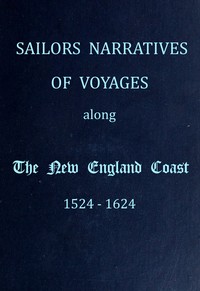
Sailors Narratives of Voyages Along the New England Coast, 1524-1624 by Winship
So, what's this book actually about? It's not a single narrative. Think of it as a scrapbook assembled by editor George Parker Winship. He pulled together the surviving logs, letters, and reports from the first century of European exploration along the coast from New York up to Maine. You get the famous ones, like Verrazzano's letter to the King of France in 1524, where he describes a land 'as pleasant as it is possible to conceive.' But you also get lesser-known captains and traders, like John Brereton or James Rosier, detailing their attempts to fish, trade for furs, or just survive.
The Story
There isn't one plot, but there is a common thread: discovery and disconnect. Each account follows a similar pattern. A ship arrives. The sailors see a beautiful, unfamiliar land. They meet the Native inhabitants. Sometimes the meetings are friendly, full of curiosity and trade. Other times, fear and misunderstanding lead to violence. The sailors are constantly measuring the land against their hopes—looking for gold, spices, or a route to China—and usually coming up short. They're obsessed with the practical: where to find fresh water, safe harbors, and valuable goods like sassafras (which was a huge deal back then). The story is the slow, piece-by-piece creation of a European understanding of this new world, written in real time by men who had no idea how it would all turn out.
Why You Should Read It
I loved this because it strips away centuries of hindsight. You're not reading a historian's analysis of colonization. You're reading the confused, amazed, and often biased notes of the guys who were there. Their priorities are so different from ours. One captain spends pages describing the amazing grapes and giant trees, then barely mentions a skirmish. The descriptions of the Native communities are incredibly valuable, even with the European lens, because they show vibrant, organized societies before major disruption. It makes you realize the 'wilderness' the Pilgrims later talked about was already someone's well-managed home. It's humbling and fascinating.
Final Verdict
Perfect for history buffs who are tired of the same old stories and want to get as close to the source as possible. It's also great for anyone who loves New England and wants to know what it felt like to see it for the very first time. A word of warning: the old-fashioned language takes a page or two to get used to, but it's worth the effort. This isn't a beach read, but if you're in the mood for a true adventure that feels real and immediate, these sailors have some unbelievable stories to tell.
The copyright for this book has expired, making it public property. Thank you for supporting open literature.
Paul Martinez
2 months agoI decided to give this a try based on a colleague's recommendation, the concise summaries at the end of each section are a lifesaver. Well worth the time invested in reading it.
Paul Brown
5 months agoBefore I started my latest project, I read this and the chapter on advanced strategies offers insights I haven't seen elsewhere. A mandatory read for anyone in this industry.
Edward Jackson
7 months agoFrom the very first page, the emotional weight of the story is balanced perfectly. Truly inspiring.
Joseph Jackson
11 months agoFast paced, good book.







Thomas Thompson
8 months agoI appreciate how this edition approaches the core problem, the clarity of the writing makes even the most dense sections readable. It’s a comprehensive resource that doesn't feel bloated.