
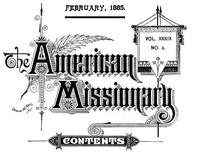
The American Missionary — Volume 39, No. 02, February, 1885 by Various
This isn't a novel. 'The American Missionary — Volume 39, No. 02, February, 1885' is a monthly periodical, a snapshot of a movement in action. Published by the American Missionary Association, it served as a newsletter, fundraiser, and rallying cry for its workers, most of whom were in the Southern United States.
The Story
There's no traditional plot. Instead, you get a collage of real voices from February 1885. You'll read field reports from a teacher in a cramped schoolhouse in Alabama, describing her students' hunger for learning. There are financial appeals detailing the desperate need for books and building repairs. Letters from missionaries in the West and updates on "Indian" schools show the scope of their work. The most gripping parts are the frank discussions about the intense opposition they faced—local laws designed to hinder Black education, social ostracization, and the constant threat of violence. The "story" is the day-to-day grind of trying to plant seeds of equality in deeply hostile soil.
Why You Should Read It
I picked this up out of historical curiosity and was stunned by its immediacy. Textbooks tell us about Reconstruction's failure, but here you feel the gritty reality. The writers aren't saints; their language is of its time, and their worldview is shaped by their era. But their dedication is palpable. You see their frustration, their small victories (a new student learning to read!), and their fear. It completely reframed my understanding of this period. It’s less about grand politics and more about the people in muddy boots trying to make a difference, documenting both their compassion and their blind spots. It’s a powerful, primary-source antidote to simplified history.
Final Verdict
This is for the curious reader who loves real history, not just the summarized version. It's perfect for anyone interested in post-Civil War America, the history of education, or social justice movements. If you enjoy primary documents, diaries, or letters that let you eavesdrop on the past, you'll find this compelling. Be warned: it's not an easy, narrative read. It's a piece of archival material that requires some patience. But for those willing to dig in, it offers an unmatched, authentic, and profoundly human connection to a turbulent and defining chapter of American history.
This work has been identified as being free of known copyright restrictions. Knowledge should be free and accessible.




Robert Miller
9 months agoI have to admit, the flow of the text seems very fluid. One of the best books I've read this year.